
Brain & Behavior Blog

⇧LARGEST PART OF THE BRAIN ⇧
Consists of:
- cerebrum
- thalamus
- hypothalamus (part of the limbic system)

Limbic System: Forebrain structures involved with emotions, drives, memory, and psychological functions

Watch this segment of the movie Concussion to get an idea of what happens to a football players brain explained by Will Smith: https://www.youtube.com/watch?v=JlbgVdDES1A
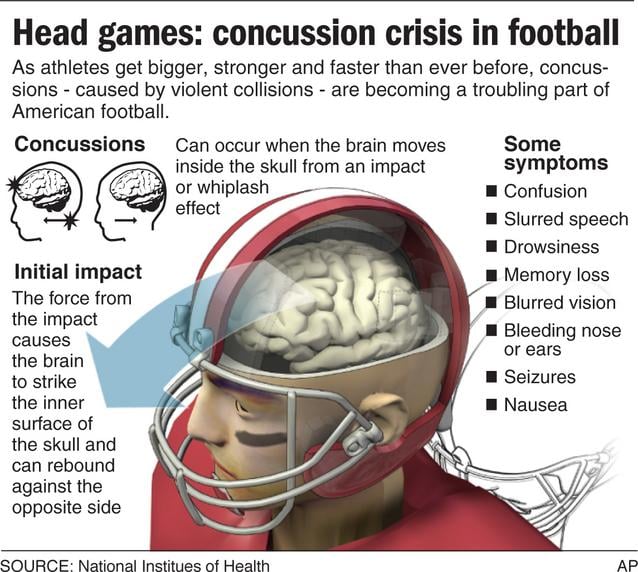
Visual of what Will Smith is explaining

*When the cerebral cortex is damaged it can link to substance abuse, dementia, and suicide*
Visual of what Will Smith is explaining
*When the cerebral cortex is damaged it can link to substance abuse, dementia, and suicide*
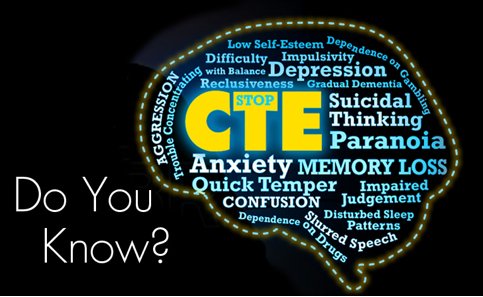
CTE is short for chronic traumatic encephalopathy. It is one of several diseases caused by changes to a brain protein called “tau”. Other tau disorders include Alzheimer's and Parkinson's diseases. In healthy brain cells, tau proteins support the cell. They move nutrients and other materials from one part of a cell to another. But after head trauma, tau proteins can change. They may form thread-like tangles that jam up the transport system. This acts as cement, preventing transportation thought the brain. What symptoms these cement like tangles causes depends on where in the brain they show up. Alzheimer's disease usually starts in the hippocampus. This brain region is involved with memory, so affected people suffer memory loss and confusion. In CTE, tau proteins begin to change in the cortex. This area ,located right behind the forehead, is involved with decision-making, emotion and behavior. So CTE victims are likely to become moody, aggressive and depressed. Some commit suicide, or attempt to do so.
Sources:http://www.protectthebrain.org/Brain-Injury-Research/What-is-CTE-.aspx
https://www.youtube.com/watch?v=JlbgVdDES1A
https://hsutx.instructure.com/courses/3078/files/167714?module_item_id=89396


You have some very good information in this post! I didn't know very much about tau disorders before reading this. It's interesting that it's the damage to these proteins instead of the neurons directly (which is what I used to think). I wish there was more organization to how the pictures were placed and the structure of the paragraphs, a definite beginning and ending to your words. This post has good potential with the research that you've put into it. It's just missing some presentation aspects.
ReplyDelete